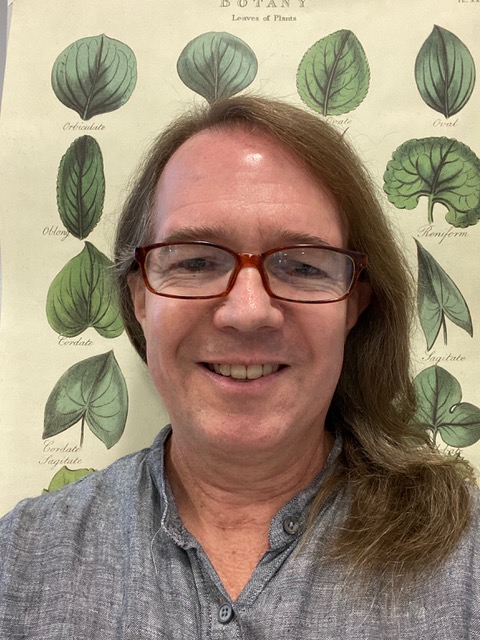
Dr. J.D. Lewis – Principal Investigator
Professor
Director – Center for Urban Ecology
Bronx Science Consortium Co-Coordinator
Research: My research focuses primarily on community ecology, plant reproductive ecology and plant physiology. In particular, I am interested in interactions among native plants and plant mutualists (e.g., mycorrhizal fungi, pollinators), and the effects of these interactions on individual plants, plant populations, community structure and ecosystem processes. I am also interested in how these interactions are regulated by plant age, phenology and size, and by human-induced changes in the environment, such as climate change, invasive organisms and urbanization. My lab group more generally examines how human activities alter mutualistic and pathogenic interactions among plants, fungi, bacteria and animals. Much of our research is conducted in the New York metropolitan area and Oceania, particularly the Sydney metropolitan area.
Contact: jdlewis (at) fordham.edu
Twitter: @astorialis
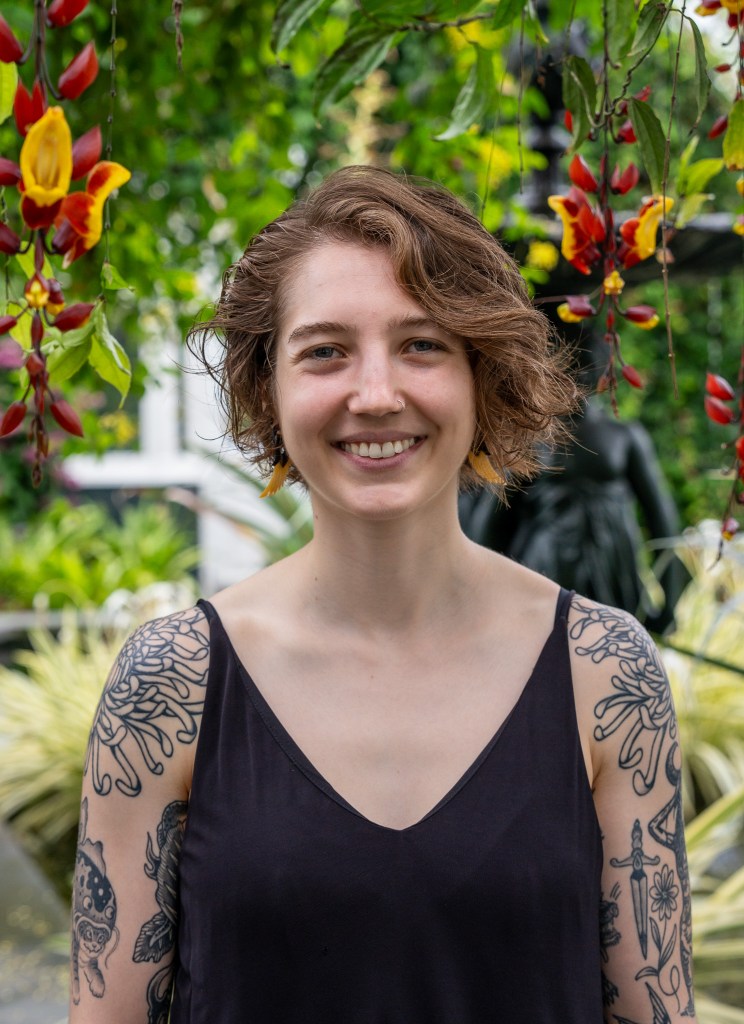
Nina Naghshineh – Ph.D. Candidate
Research: My research leverages observational field work, ecological theory, and molecular biology to explore host-microbe symbioses. I am interested in how the host and its symbiont work together to generate an immune response to external stressors. My dissertation focuses on the structure and function of the eastern redback salamander skin microbiome as well as the host’s endogenous immune system.
Contact: nnaghshineh (at) fordham.edu
Twitter: @NinzNiche
Montse Sousa-Sanchez – Ph.D. Candidate
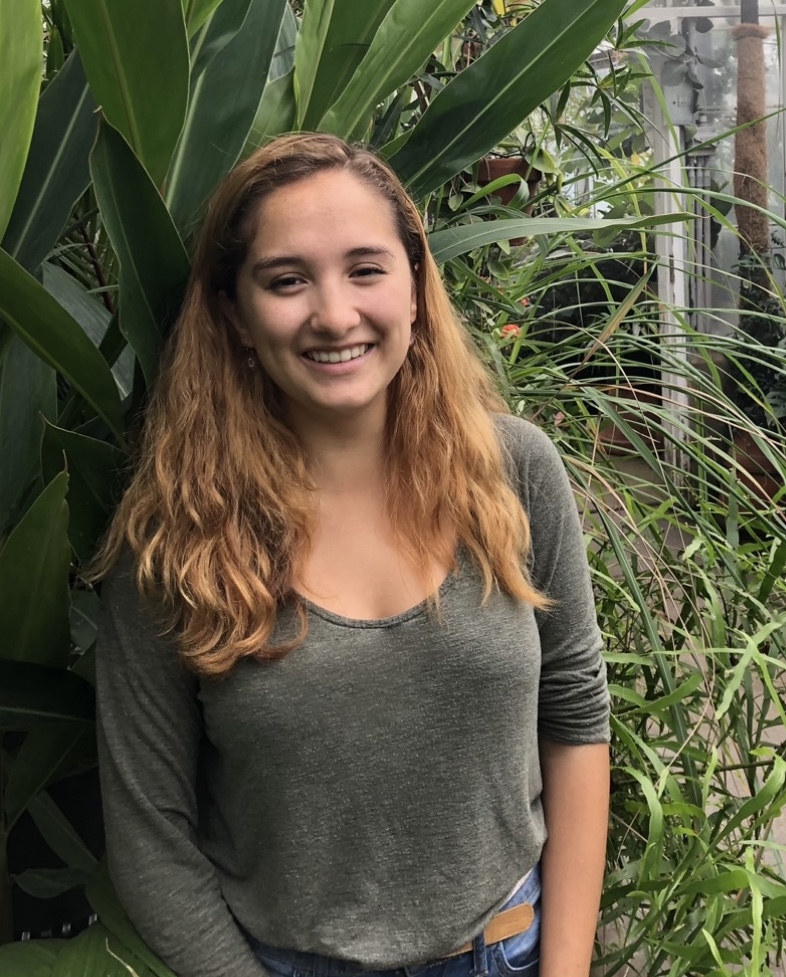
Research: My research aims to understand the effects of climate change on tomato pollen and pollen dispersal. More specifically, the combined effects of drought and temperature stress on tomato pollen viability and the subsequent effective dispersal. I am also interested in the phenotypic plasticity of these changes and the plant’s ability to recover from climate stressors.
Contact: msousasanchez (at) fordham.edu
Tierney Kulju – M.S. Candidate
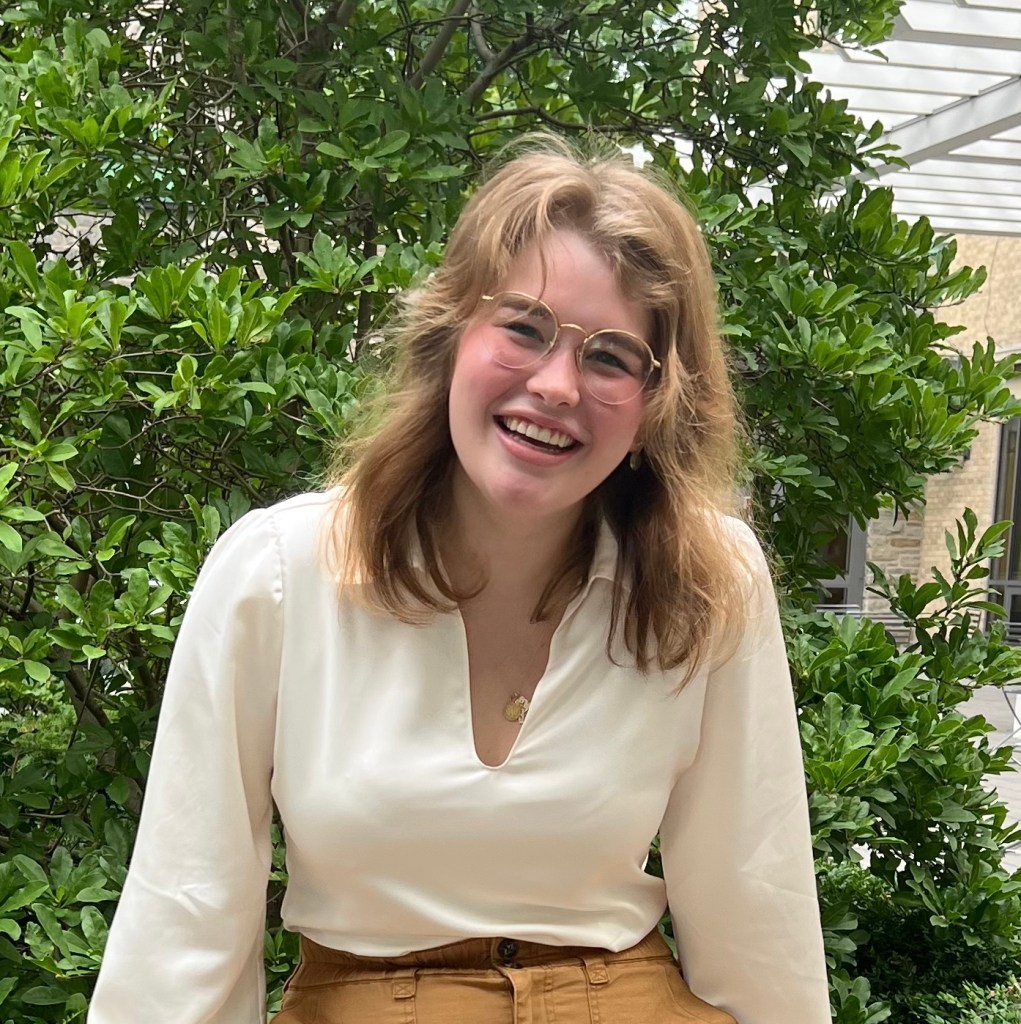
Research: I am interested in the complex relationships within soil microbial communities and how our understanding of these interactions can drive sustainable agriculture. More specifically, my research focuses on the interactions between plant growth promoting bacteria and phytopathogens in relation to crop diseases. My thesis is expanding on existing work in the lab concerning the fungal disease Fusarium wilt in the tomato and the use of the plant-associated bacterium Stenotrophomonas rhizophila as a more sustainable antifungal agent.
Contact: tkulju (at) fordham.edu
Allie Porter – M.S. Candidate
Research: My research focuses on understanding the effects of urbanization on the gut microbiome as a way of monitoring wildlife health. Specifically, I focus on the diversity of microorganisms within the gut of various white-tailed deer populations along an urban gradient. I am also interested in investigating the effects of urbanization on the diet of white-tailed deer as a possible influence on microbial communities and the overall health of this species.
Contact: aporter30 (at) fordham.edu

Jack Aldana-Proulx – M.S. Candidate
Contact: jaldanaproulx (at) fordham.edu
Lab Alumni
Post-Doctoral Scholars/Research Associates
Seth Ganzhorn: 2014-2017 – Oregon State University-Cascades
Varuni Jamburuthugoda: 2014-2018 – SUNY Geneseo
Evelyn Fetridge: 2014 – Wooster School
Beatriz Perez-Sweeney: 2011-2014 – Baylor College of Medicine
Abby Sirulnik: 2004-2007 – Saddleback College
Ph.D.
Dr. Steve Kutos
Research: I am interested in the abiotic & biotic drivers of community structure and dynamics of microorganisms and how the change of structure might related to a change in function. Specifically, I research how soil fungal communities associated with northeastern tree species are structured through space and time and how these communities are impacted by disturbance.
Contact: skutos (at) fordham.edu
Twitter: @SteveKutos
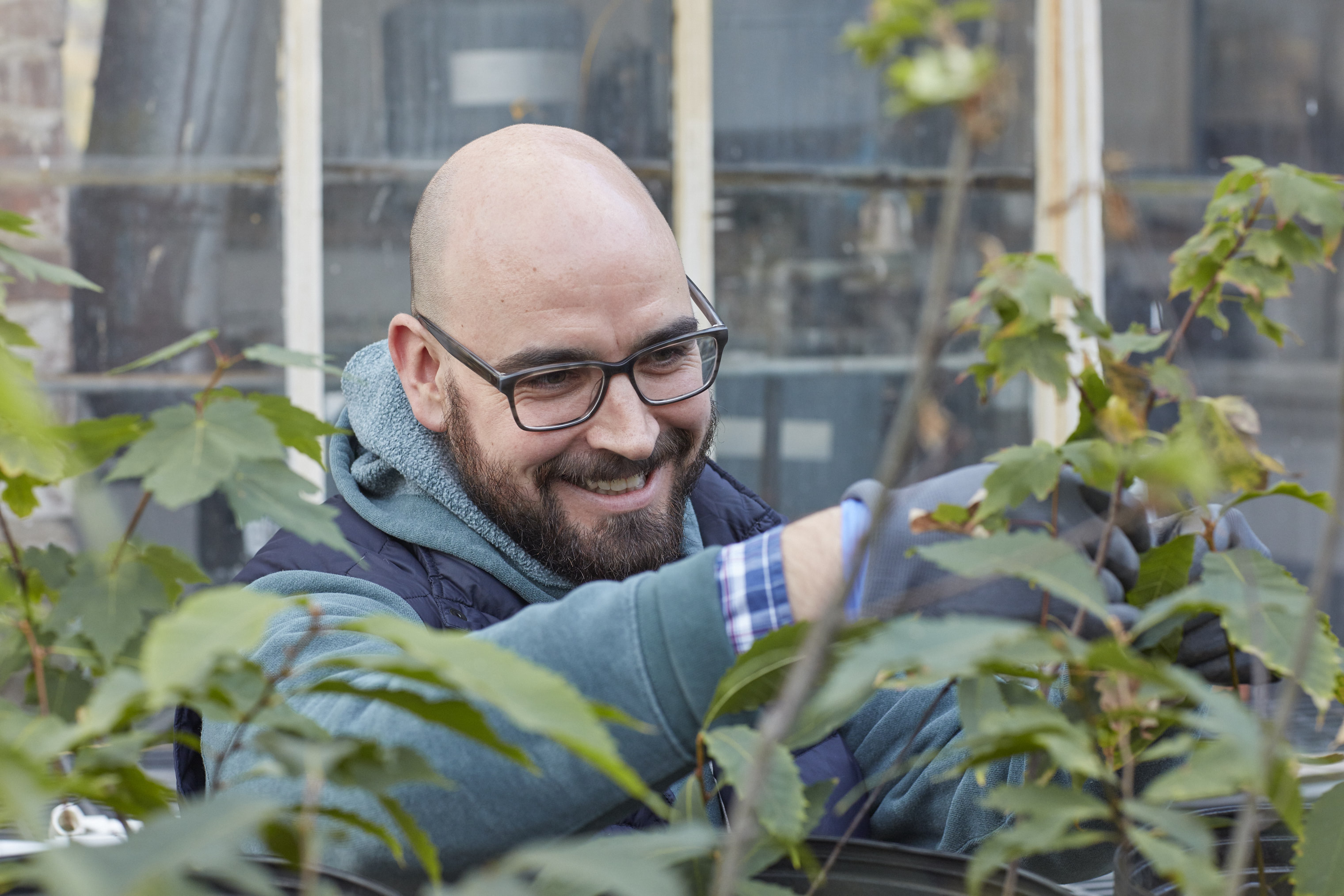
Dr. Elle Barnes
Research: My research integrates field observation and experimental manipulation of microbial communities in forest ecosystems. My dissertation is on the assembly of microbial communities on the eastern redback salamander, and how these communities protect the salamander from the deadly amphibian disease, chytridiomycosis. I am particularly interested in urban ecosystems & how communities assemble over space and time.
Contact: ebarnes7 (at) fordham.edu
Twitter: @EcoEvoElle
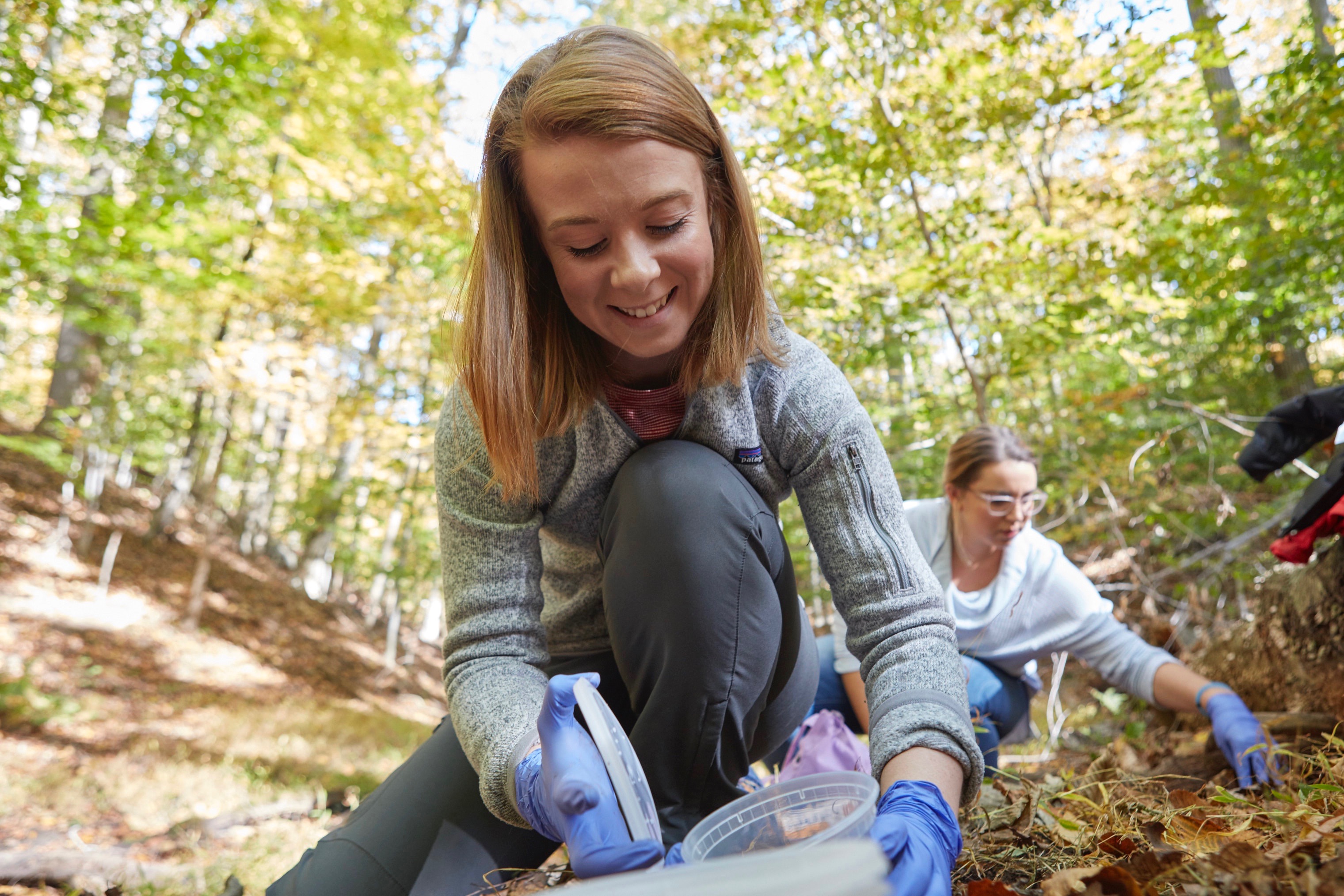
Chelsea Butcher: 2018 – Northwood University – Twitter: @urbanplanteco – Research: Pollen dispersal patterns in the wind-dispersed common waterhemp & the bee-dispersed tomato in roof & ground habitats in the New York metro area.
Xiupeng Zhang: 2017 – Research: Effects of urbanization on carbon & nitrogen cycles in the riparian zone of low-order watersheds
Jason Aloisio: 2017 – Wildlife Conservation Society – Research: Community & nutrient dynamics of New York City green roofs
Evelyn Fetridge: 2014 – Research: Experimental evolution &intragenomic homologous recombination in E. coli
Seth Ganzhorn: 2014 – Research: Reproduction, recruitment, and genetic diversity of the threatened tree species Manilkara maxima
Huansheng Cao: 2012 – Arizona State University – Research: Effects of population size on fitness effects of mutations & long-term fitness trajectories in bacterial populations
Kevin Matteson: 2007 – Miami University – Research: Diversity & conservation implications of insects in urban gardens
Jonathan Mates-Muchin: 2005 – San Francisco Public Utilities Commission – Research: Changes in forest productivity & nitrogen cycling associated with the decline of eastern hemlock
John Tirpak: 2005 – US Fish & Wildlife Service – Research: Modeling Ruffed Grouse populations in the Central & Southern Appalachians
Gregory Turner: 2003 – West Chester University of Pennsylvania – Research: Host composition, light, and nitrogen effects on ectomycorrhizal communities from Quercus seedlings grown in soils from regional hardwood-hemlock forests
Masters Students
Sarah Seepaulsingh
Research: I focus on the potential application of forensic microbiological techniques in death investigations. I am researching the use of epinecrotic microbial community succession in the determination of postmortem interval in humans. Additionally, I am exploring how the variation in the human skin microbiota between different geographical locations reaches a state of uniformity postmortem.
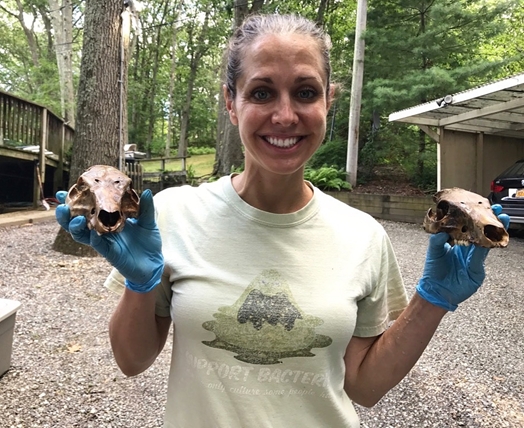
Mary Lally
Research: I am interested in host-microbiome interactions and in the mechanisms regulating interactions between microbes. My research focuses on bacteria that work with the eastern redback salamander to prevent chytrid growth, and more specifically, I analyze genomic and proteomic variation to see how differences in chitinases affect anti-fungal ability.
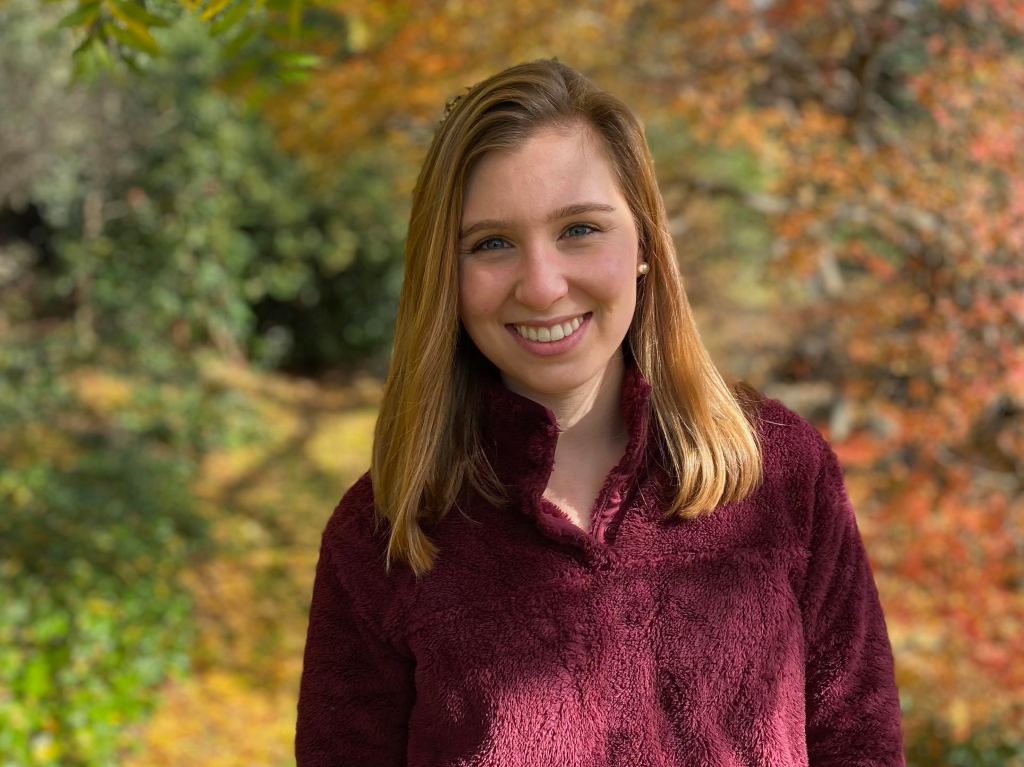
Erin Carter
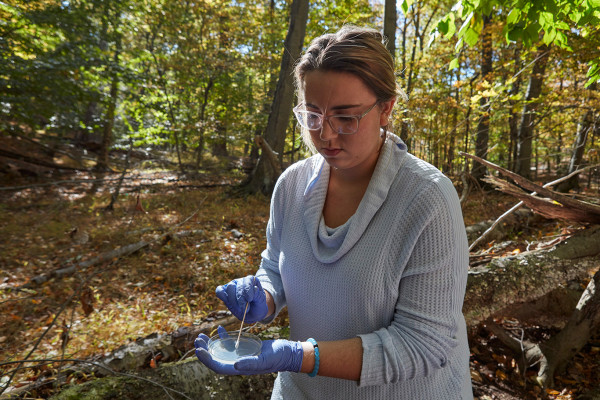
Research: My research focuses on identifying antifungal mechanisms in bacteria that live on the skin of the eastern redback salamander, which is resistant to the wildlife disease chytridiomycosis. I am specifically interested in genes that produce proteins involved in fungal growth inhibition.
Victor Imparato II: 2022 – Research: Stenotrophomonas rhizophila chitinase variation and its role in suppressing Fusarium oxysporum pathogenesis in tomato
Taryn Brahmsteadt: 2018 – Research: Vegetation & soil characteristic changes over time in Dead Horse Point State Park as a result of management of the pinyon ips beetle
Adam Essene: 2015 – Research: Uncoupling environmental filtering & host specificity of ectomycorrhizal fungi in a Bornean lowland tropical rainforest
Ashley Ansel: 2014 – Research: Genetic variants in the Duffy antigen receptor for chemokine (FY) gene in the black lion tamarin
Rosalind Becker: 2012 – Research: Spatial partitioning of soil fungi along an urban to rural gradient
Alison Cucco: 2012 – Research: Urbanization effects on plant productivity & soil enzyme function
Shannon Morath: 2008 – Research: Effect of alternative floral resources on the pollination of cucumbers in New York City community gardens
Gretchen Gary: 2007
Meghan Avolio: 2006 – Research: Nitrogen source & host species effects on fungi: Gene expression, growth, and community structure
Blair Madden: 2005 – Research: Biotic & abiotic factors affecting the abundance, distribution, and community structure of Plethodontids at multiple scales
Undergraduate Student Theses
Jennie Wuest
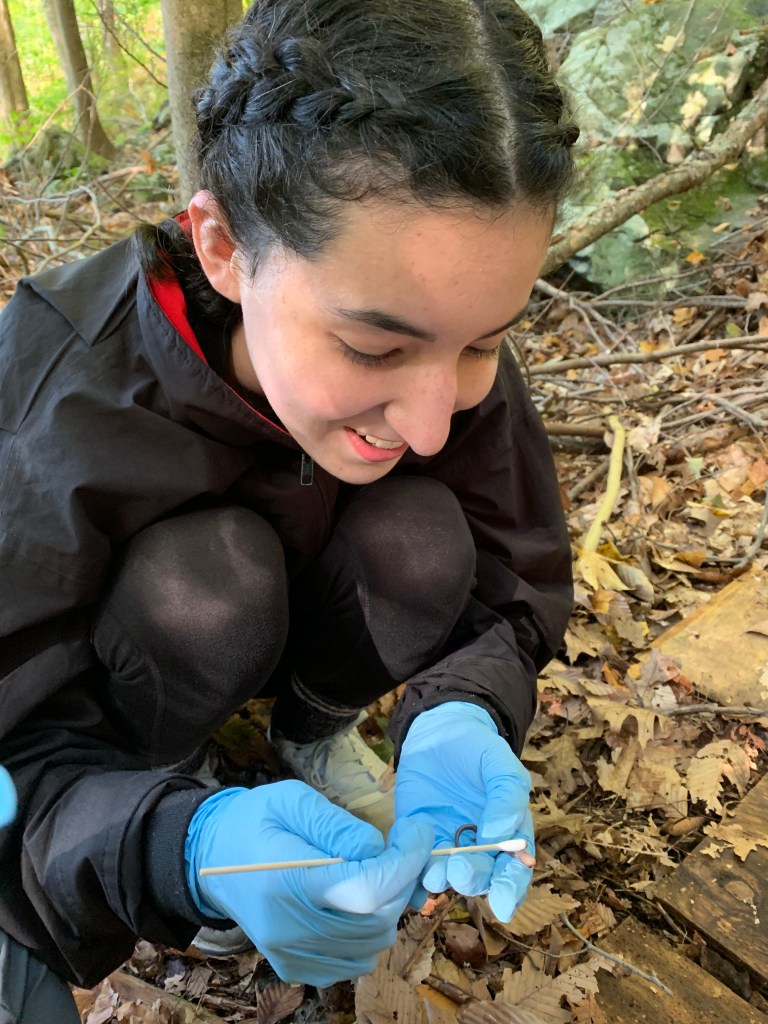
Research: I am interested in the structure & function of the fungal microbiome, especially in relation amphibian ecosystems. The role that fungi plays in vertebrate health is often overlooked and provides a fascinating area of study. I am studying the composition of the mycobiome on salamander skin and its role in defense against the wildlife disease chytridiomycosis.
Twitter: @wuestjennie
Marissa Mesko
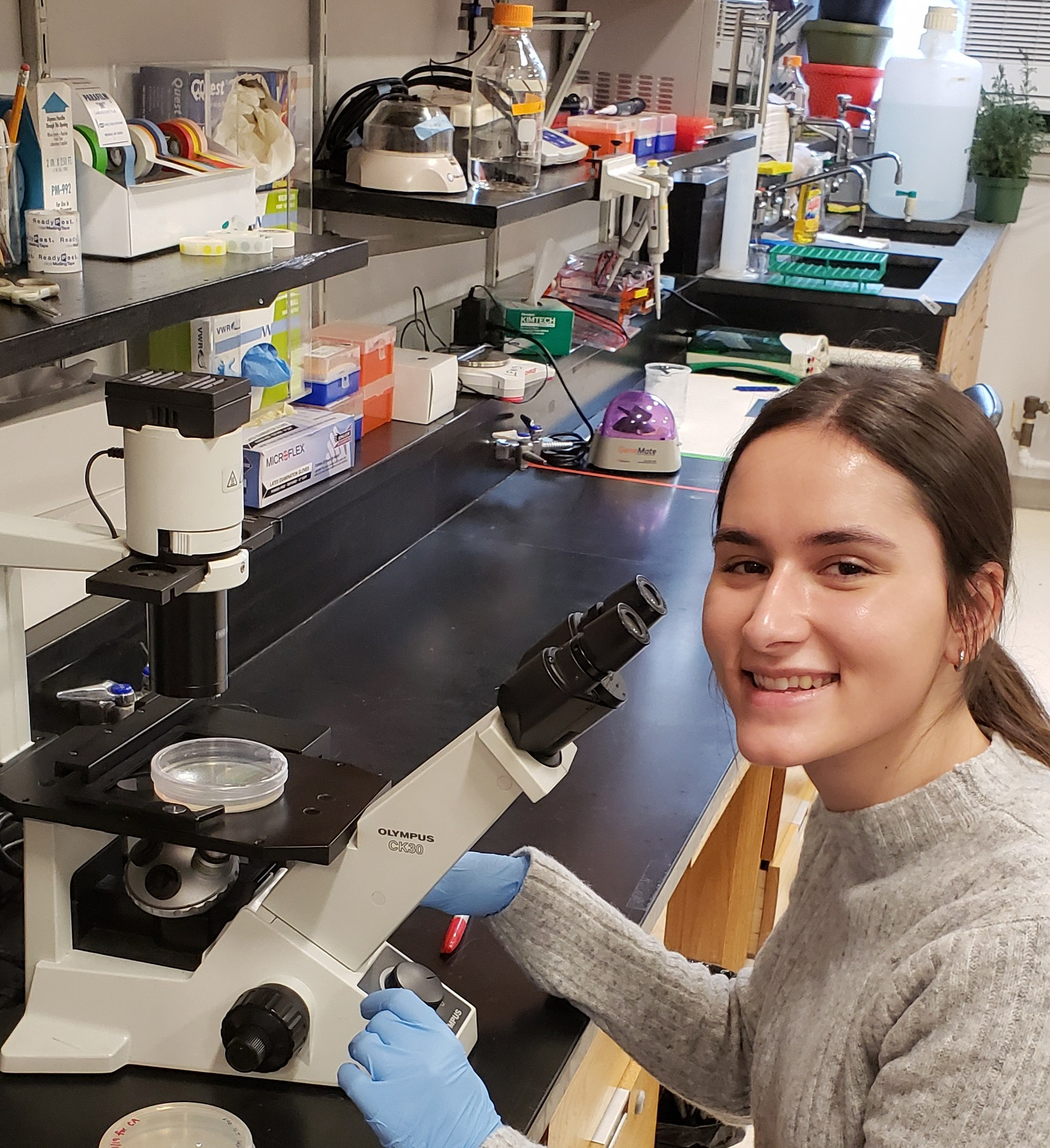
Research: I am a senior biology major with interests in microbial ecology, especially pathogenicity, as well as in cell and tissue biology.
Graduation date in parentheses
Nina Naghshineh (2018: New York University)
Nadeen Matari (2015)
Olivia Wilkins (2015)
Kelsey Topa (2014)
Erica Gaeta (2013: Humboldt State University)
Michael Kavanagh (2013)
Alison Cucco (2010)
Liahna Gonda-King (2010: St. Mary’s College)
Cody Desjardins (2009: Bowdoin College)
Suzanne Macey (2005)
Laura Watt (2002: Northland College)
Doug Maier (2000: Manhattanville College)
Claudia Restiano (1999: Manhattanville College)
 Lewis Lab at Fordham